
More Than Trees: The Lasting Impact of Reforestation
Throughout Appalachia, acres of land that once hosted lush forests now bear the wounds of previous surface mining. Yet, through reforestation, these very lands hold the potential to once again become thriving and diverse ecosystems. Done properly, reforestation can transform degraded lands into productive forests that support the environment and the well-being of rural communities through improved water quality, carbon storage, enhanced wildlife habitat, increased biodiversity, and sustainable forestry.
At Bosland Growth, our work sets the stage for this transformation.
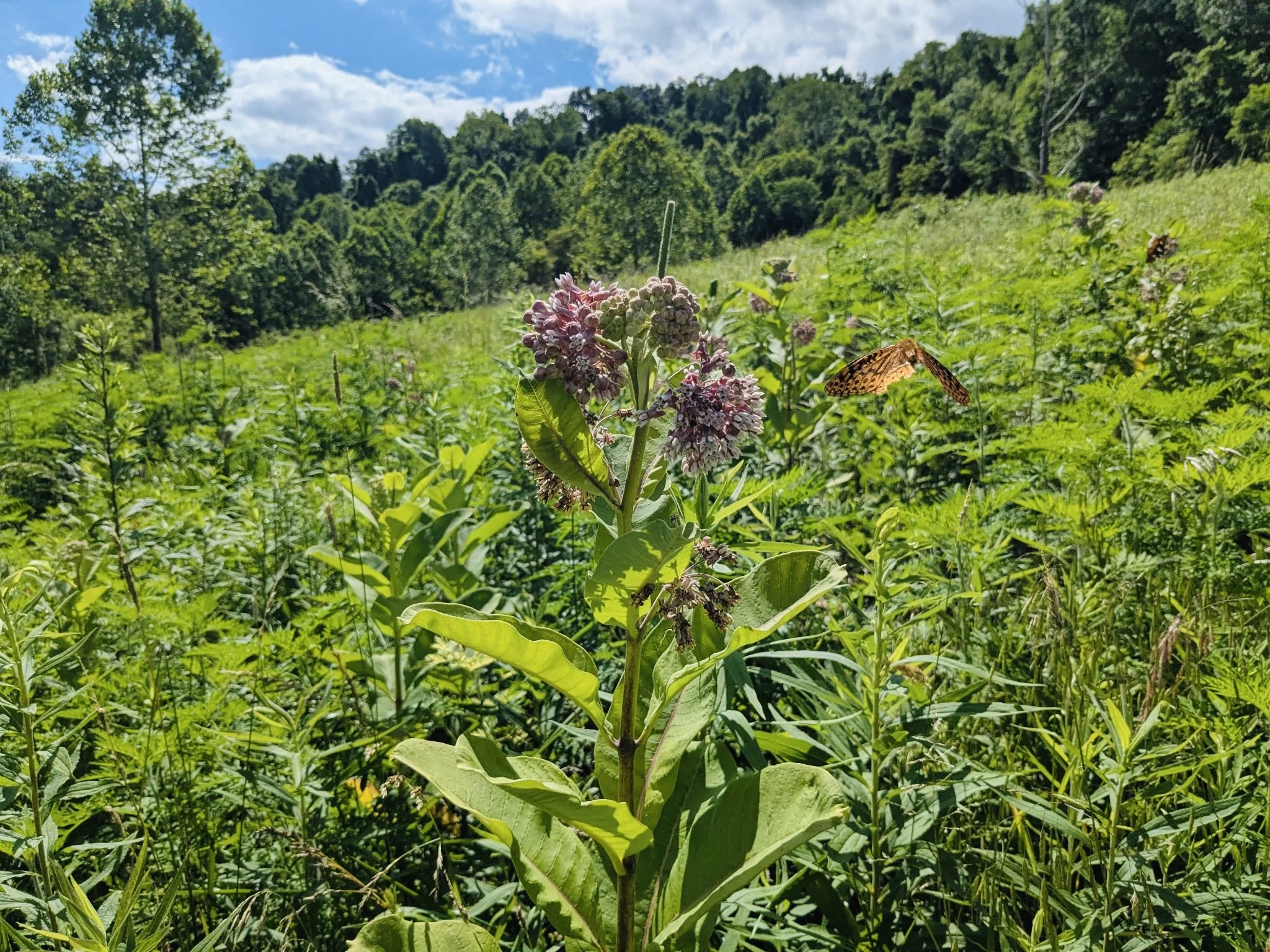
Taking the First Steps
Bosland and our partners begin the initial process of reviving the land. Every project begins with a site-specific tree prescription that matches native tree species to the site's ecology and future land use goals. From there, contractors restore the land by removing invasive species and breaking up the compacted soils left by the mining and reclamation process, creating the foundation for a healthy, resilient forest. Lastly, working with professionals and, oftentimes, volunteers to plant thousands of seedlings that, from the start, begin to capture atmospheric carbon.
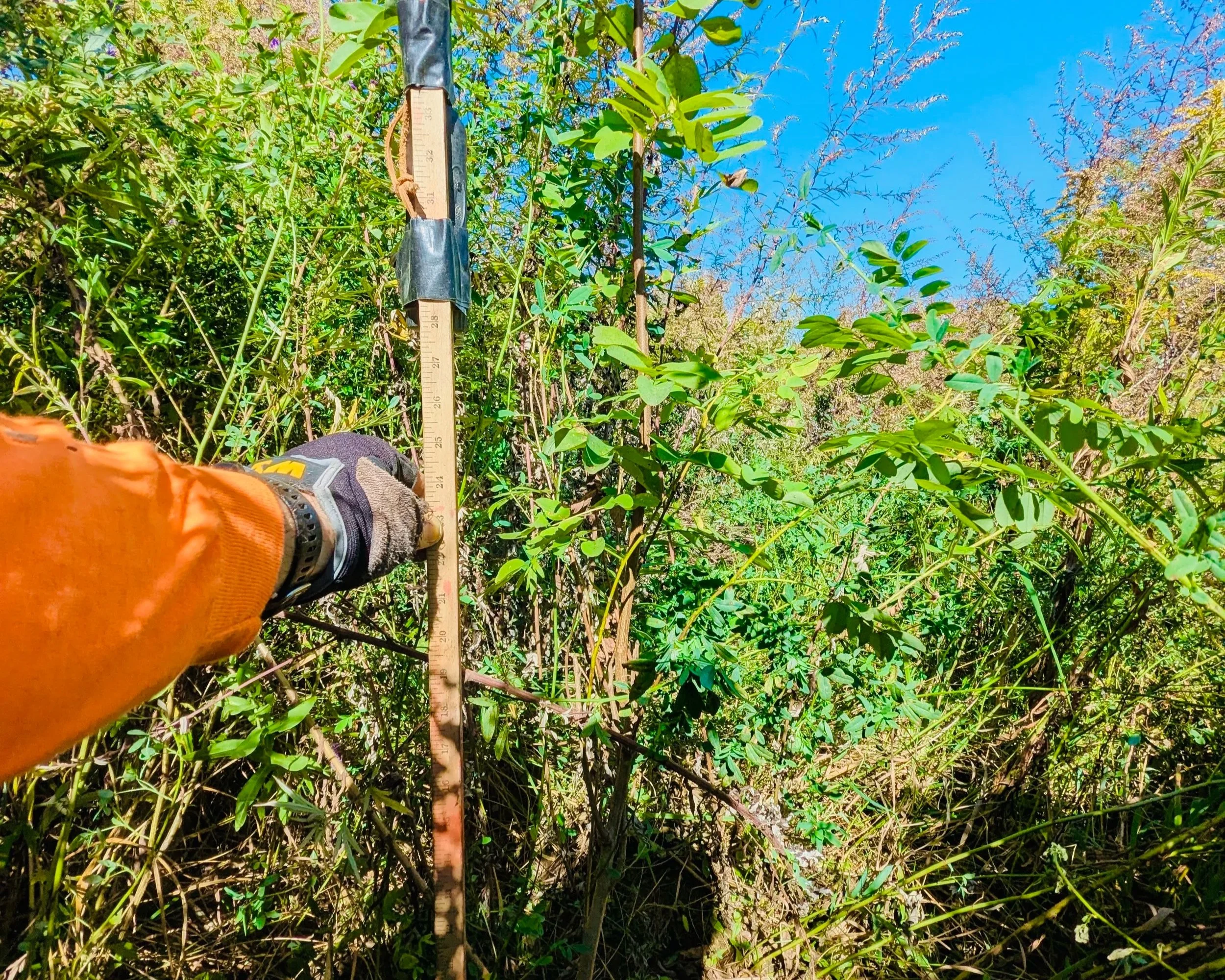
Following project completion, we are committed to ensuring that at least 70% of the planted trees survive through the first five years. Simply stated, we want to ensure that these fledgling forests survive.
The Evolution of the Landscape
Even as our work is completed, the long-term story of the forest is just beginning.
The early decompaction of the soil allows water infiltration and encourages the young oaks and other hardwoods to grow strong roots, while also creating small microsites that provide additional water availability and habitat benefits during dry periods. As their root systems infiltrate and stabilize the soil, the trees prevent excessive water and sediment runoff into nearby waterways.
As the new forests continue to mature, leaves and naturally decaying wood begin covering the forest floor, feeding fungi, bacteria, and insects that turn waste into rich soil. In later phases, the trees stretch upward as they compete for sunlight, forming a shady canopy for the land below and increasingly sequester carbon. Aggressive invasive grasses and other plants start to die back. Migratory songbirds and animals return to the forest, to nest, hunt, and spread seeds.
Through these natural processes, reforesting can heal forest fragmentation by connecting isolated green patches, expanding continuous canopy areas, and restoring wildlife corridors for native species. Artificial boundaries become living forest blocks, with larger connected zones that allow wildlife to travel between old-and new growth areas. Connected canopies bring back sensitive forest birds and native woodland plants, while slowing the spread of invasive grasses from pushing into surrounding healthy forests.
Over time, the result is a thriving, contiguous forest, capable of supporting a diverse ecosystem.
Beyond the Environmental Benefits of Reforestation
In return for pledging to permanently restrict commercial development on their land, landowners receive compensation for participating in Bosland’s program. This includes an up-front payment based on the acreage enrolled as well as payments every five years as the trees grow over time.
From site preparation through planting and early maintenance, Bosland and its project partners fully fund and manage the initial reforestation effort. Landowners also retain private ownership, can live on the land, and pass it to heirs, while protecting the property’s natural value.
Although there are certain restrictions, our landowner agreements can be tailored to the landowners’ specific goals, allowing them to retain rights for controlled recreational activities (such as fishing, hunting, hiking, or birding). After a predetermined period, they and their heirs can also benefit from the revenue generated through sustainable harvesting of timber, biomass, and other wood products within their forests.
Establishing a New Legacy for These Lands
Reforestation is more than planting trees; it is an investment in the health of the environment, the renewal of impacted rural communities, and an opportunity for landowners to preserve their land while unlocking the economic potential of its resources.
Although the benefits of reforestation, such as soil stabilization, improved water and air quality, early wildlife habitat recovery, and recreational opportunities, may be realized in the short-term; the true impact may not be apparent for decades. But through reforestation, restoring heavily degraded lands into thriving native ecosystems, Appalachia's legacy can be redefined, from one marked by resource extraction to one characterized by resilient forests, abundant wildlife, and healthy communities.
