
Our Projects
Through our reforestation projects, Bosland Growth unlocks the following benefits:
Create critical habitat for game and non-game species
Increase recreational access
Decrease water runoff and erosion
Restore property aesthetics
Sequester carbon
Lake Pleasant Conservation Area: Reforesting a Former Gravel Mine
Bosland Growth partnered with the Western Pennsylvania Conservancy (WPC) to restore forest on a 102-acre portion of the Lake Pleasant Conservation Area - land that had previously been operated as a gravel mine. After decades of soil disturbance and compaction, natural forest regeneration was limited, creating an opportunity for targeted ecological restoration.
Drone video footage of Lake Pleasant prior to planting native seedlings. The land has been ripped and prepared for planting.
Restoration Work Completed in May 2025
We planted more than 70,000 native tree seedlings selected for species diversity, climate resilience, and long-term forest structure.
This work re-establishes natural ecological processes, expands high-quality habitat around Lake Pleasant, and strengthens watershed health in the headwaters of French Creek.
Lake Pleasant is one of northwestern Pennsylvania’s most ecologically significant natural lakes. The restored forest will:
Improve water quality in the lake’s spring-fed watershed
Support wildlife and rare plant communities
Serve as a long-term carbon sink
Enhance climate resilience of the land and ecosystem
Learn more about the Lake Pleasant Conservation Area on the WPC website
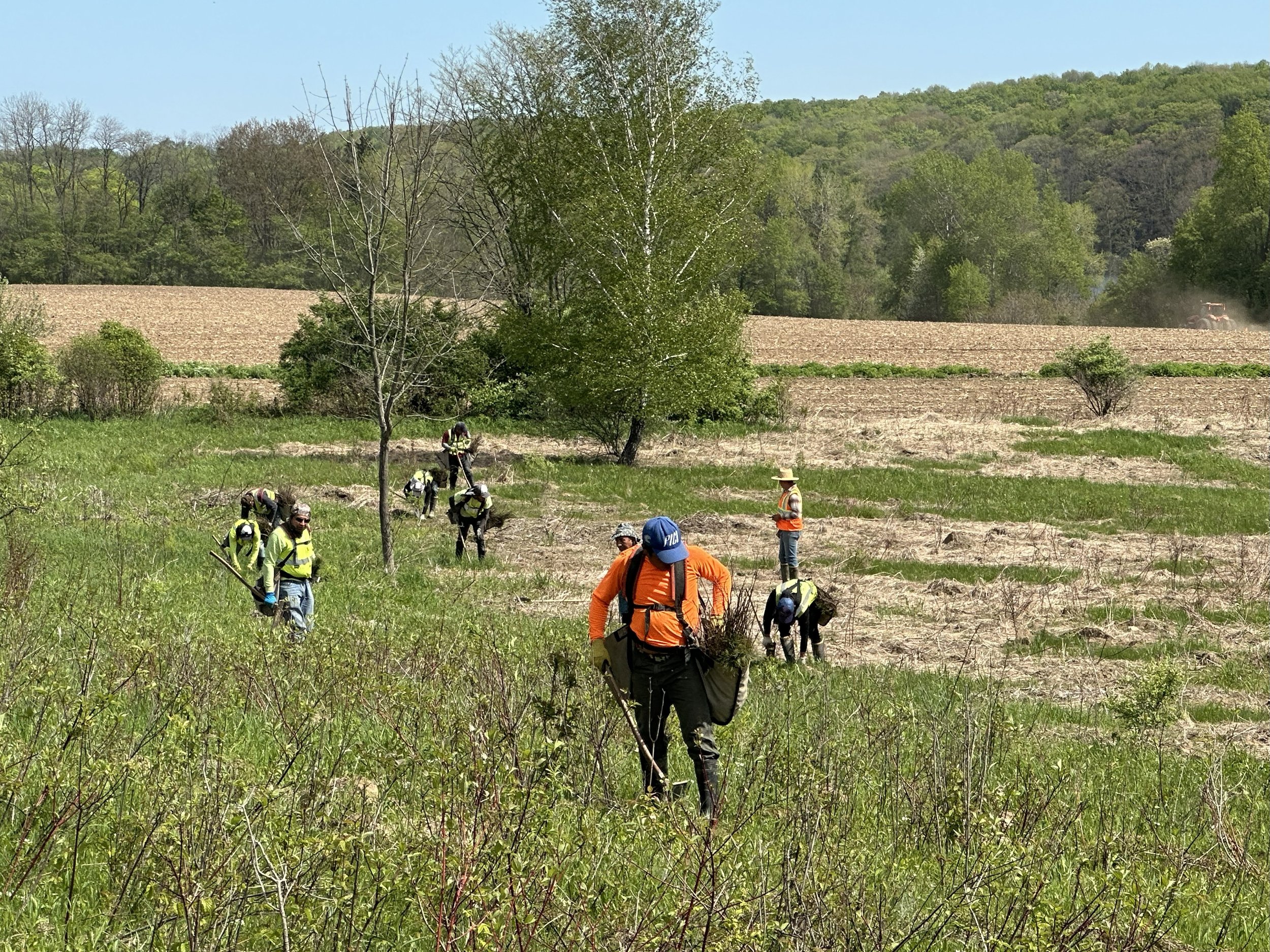
70,000 native seedlings planted
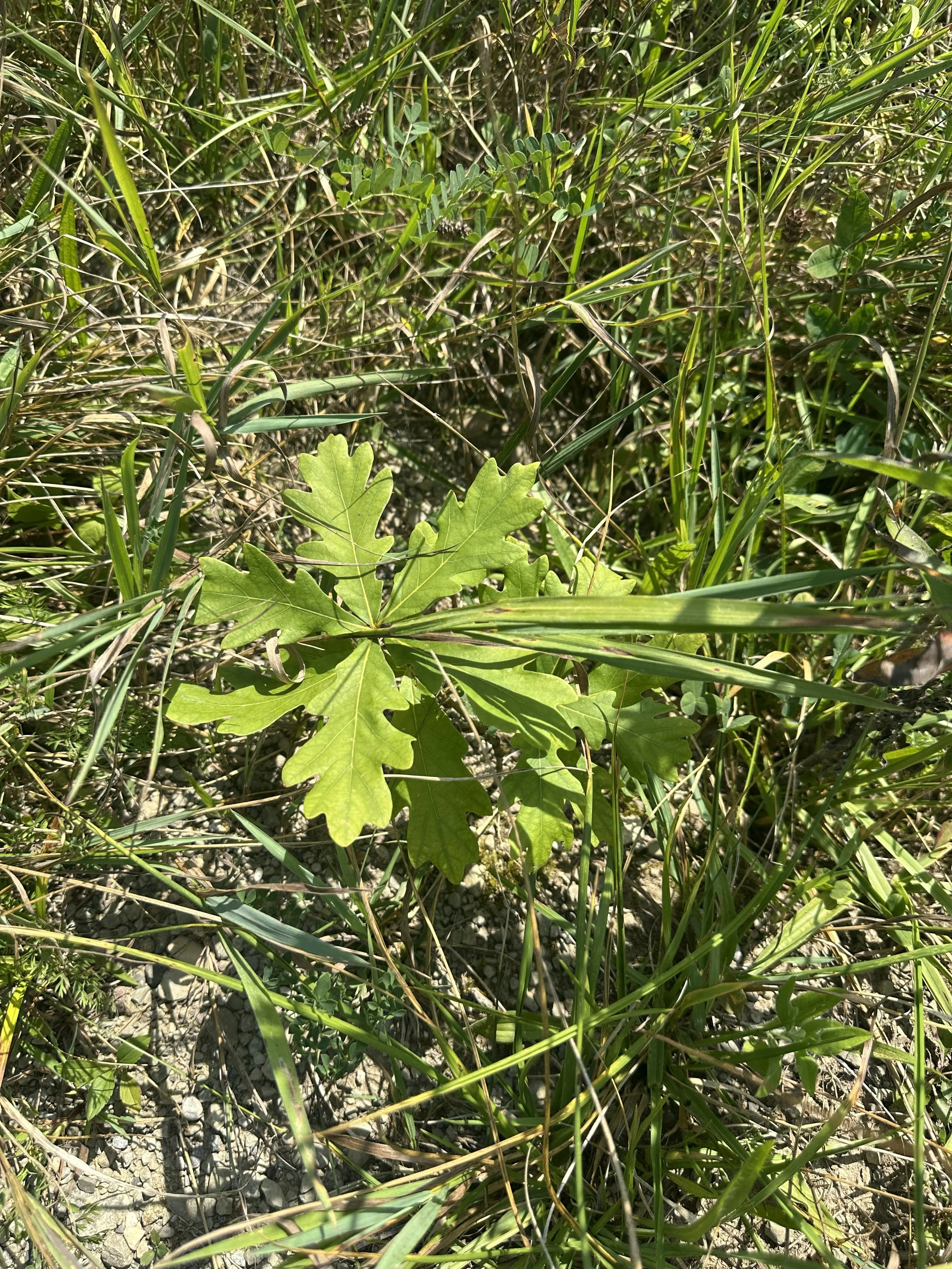
Native White Oak Seedling
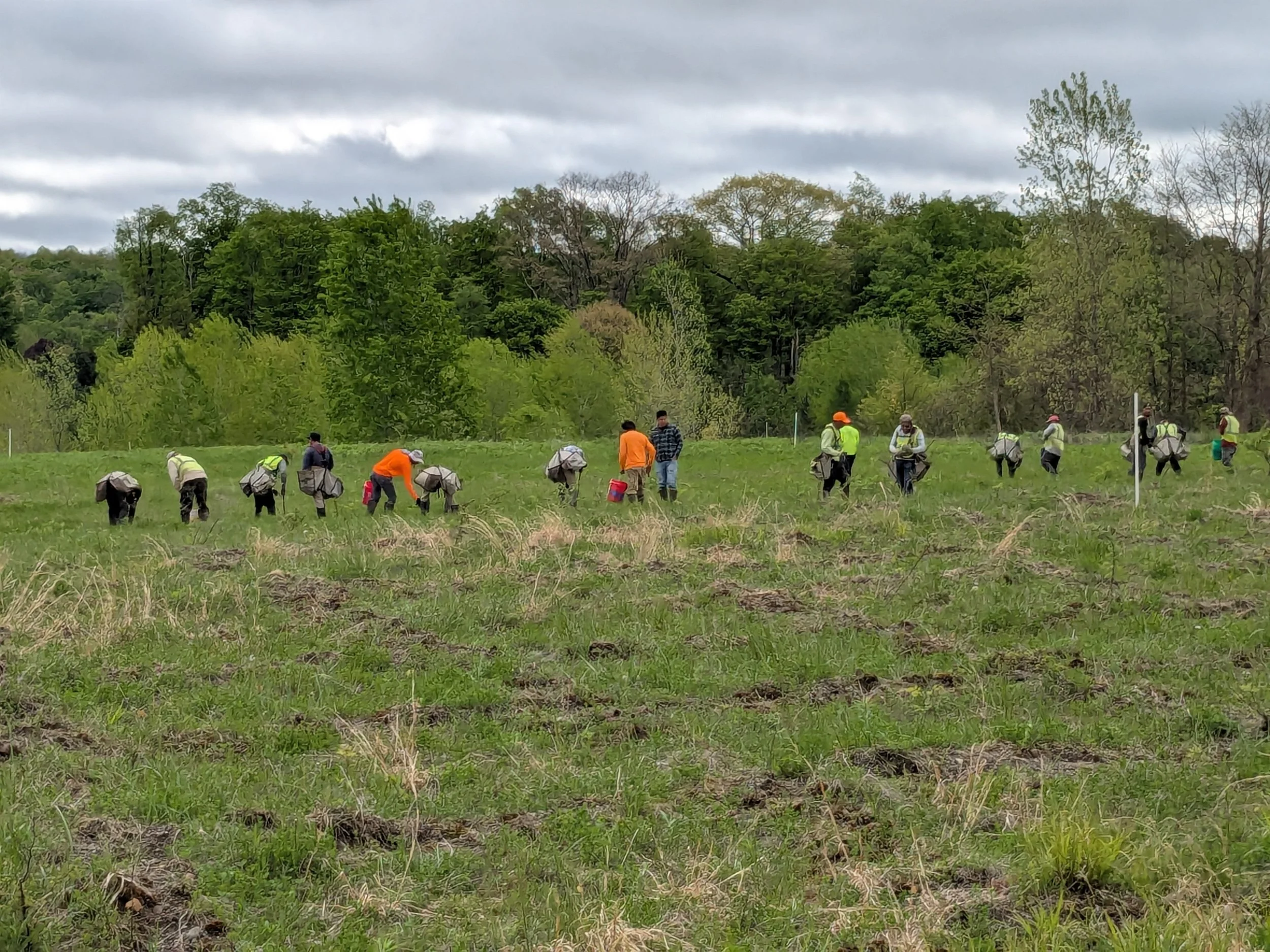
Planting Native Seedlings at Lake Pleasant
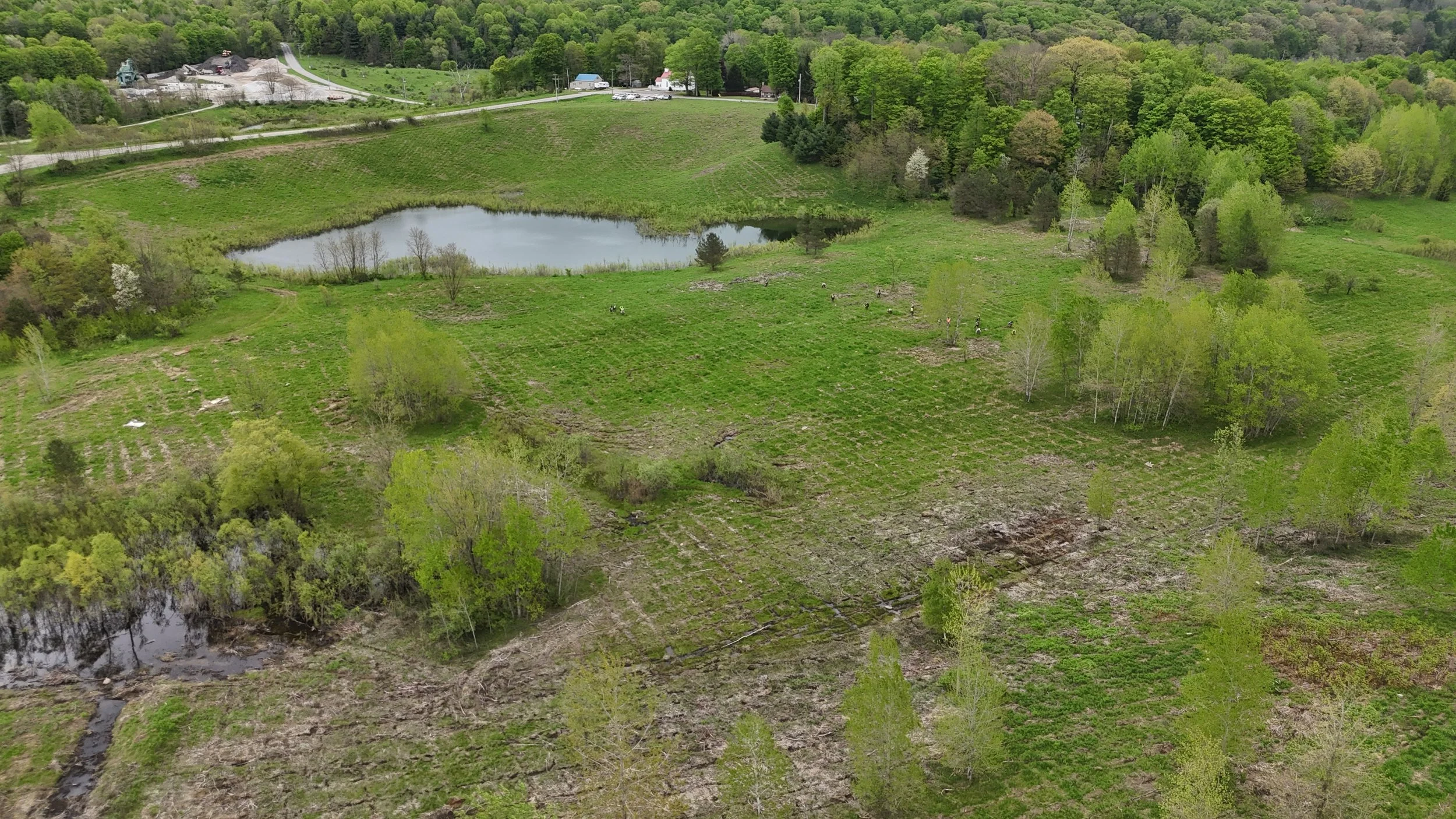
Overhead View of Planting Area
The Lake Pleasant project received notable regional and national media coverage highlighting the transformation of a mined landscape back into forestland:
Restoring Forests on Formerly Mined Lands in Cambria County
Bosland Growth is working with public and nonprofit partners to restore forests on lands formerly impacted by mining in the West Branch Susquehanna River headwaters in Cambria County, PA. Two complementary projects - at Basking Hill Nature Reserve and at Northern Cambria Borough - demonstrate how reforestation can rebuild ecological integrity, improve watershed health, and create long-term public benefits.
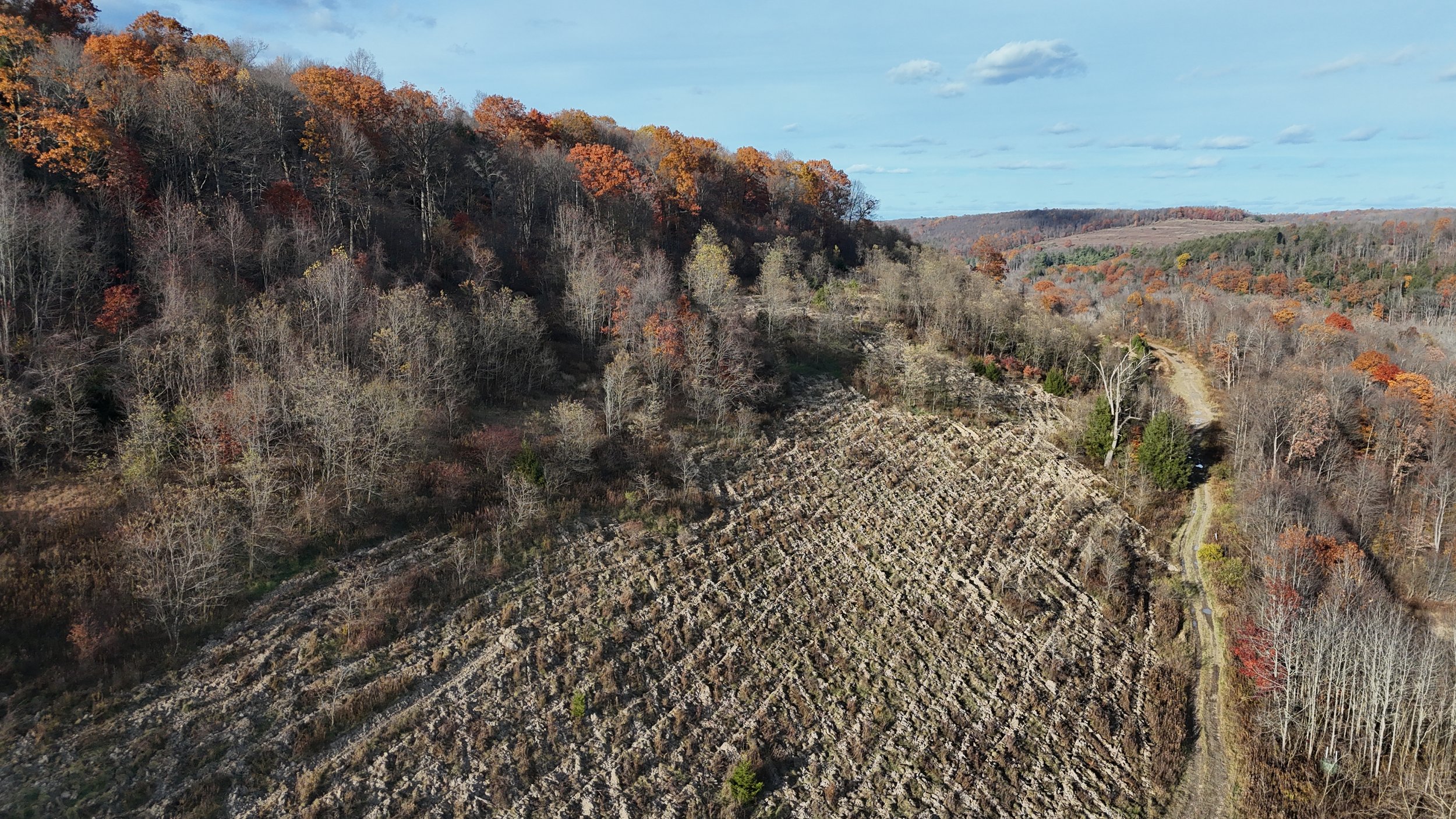
Basking Hill post-ripping images, taken overhead from a drone.
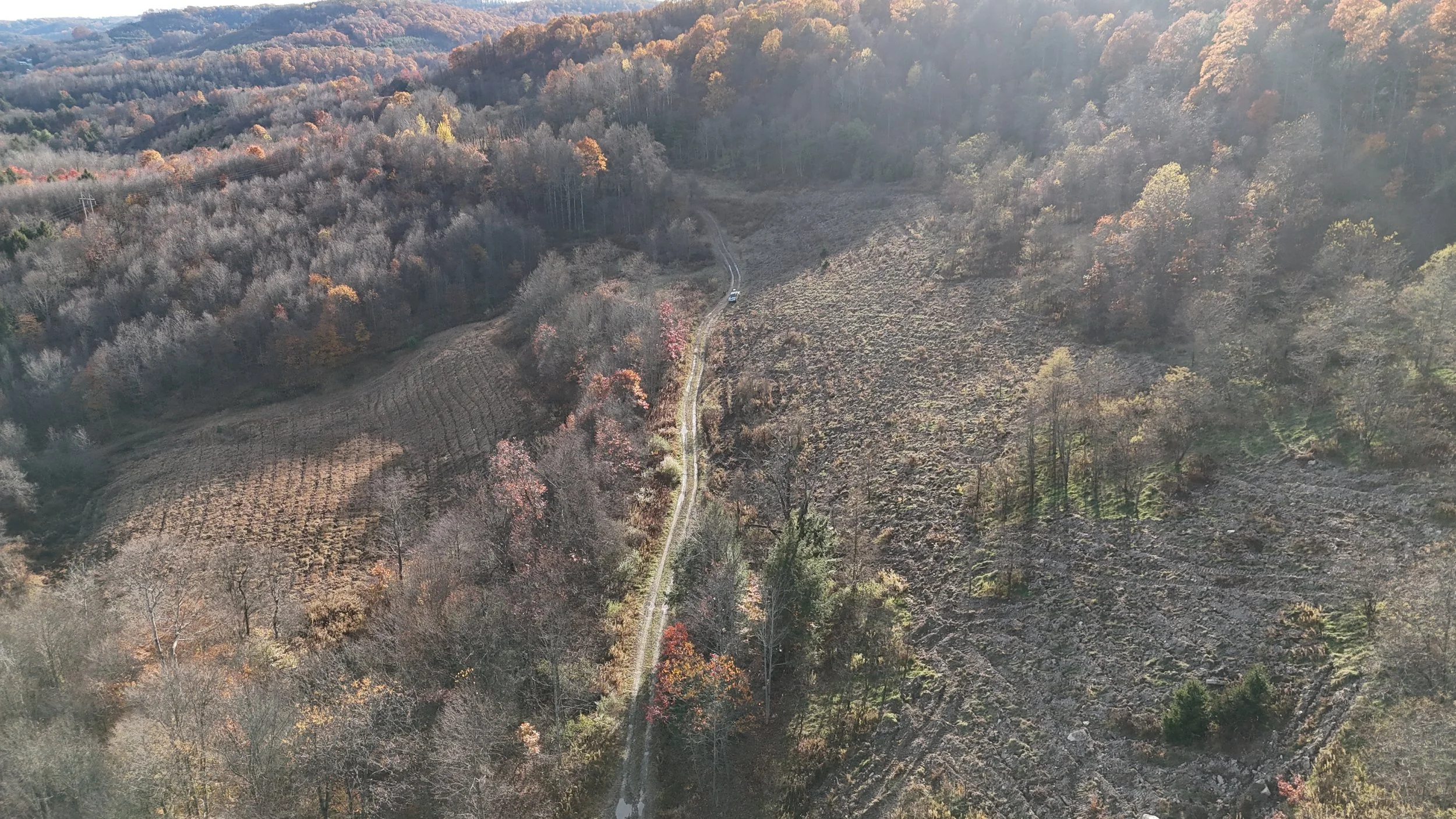
Basking Hill Nature Reserve — Cambria County, PA
The Basking Hill Nature Reserve includes a mix of forest, meadow, and reclaimed mine lands across a 365-acre landscape. Bosland is partnering with Western Pennsylvania Conservancy (WPC) to reforest approximately 33 acres of formerly surface-mined land beginning in Spring 2026.
The project focuses on:
Rebuilding soil function on reclaimed mine benches
Increasing native canopy cover
Enhancing habitat connectivity across the reserve
Improving watershed health in the West Branch Susquehanna basin
Creating a long-term, diverse forest that sequesters carbon
Learn more about the Basking Hill Nature Reserve on the WPC website
Drone video footage of Northern Cambria site preparation prior to planting native seedlings. This footage and the below images were taken in October 2025.
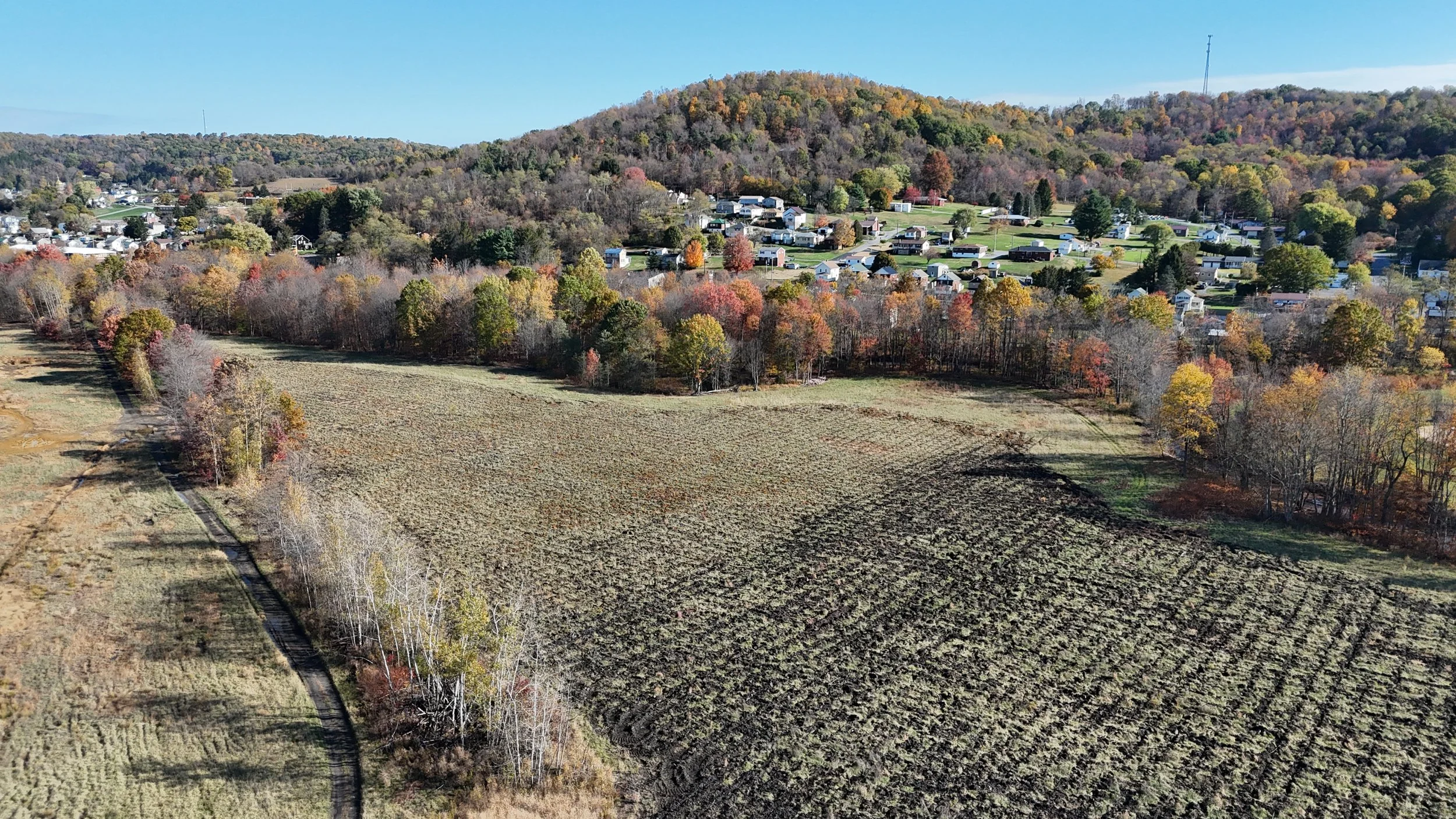
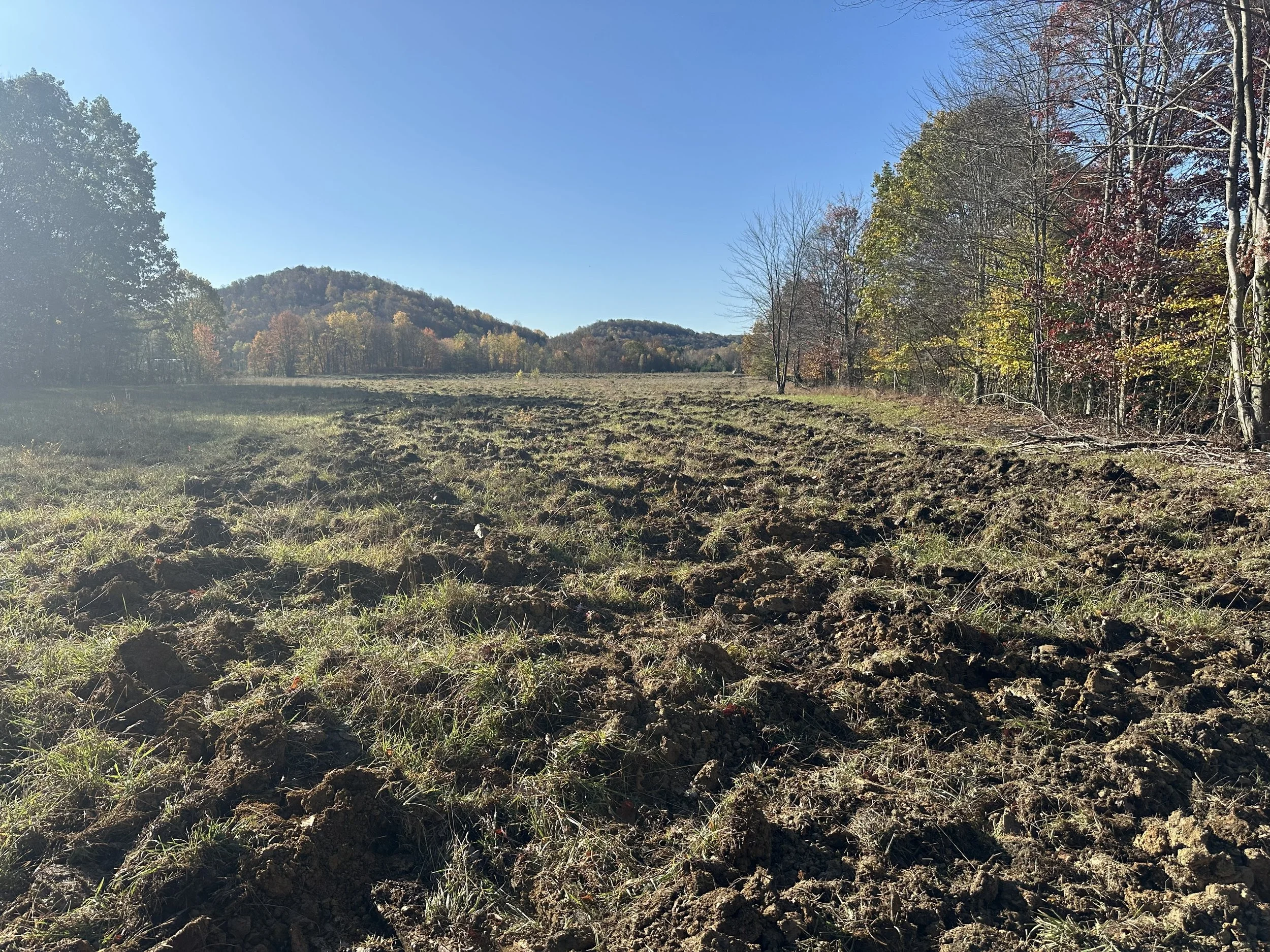
Northern Cambria Borough
Bosland Growth is also reforesting a 43-acre area along the West Branch Susquehanna River, recently acquired by Northern Cambria Borough, with support from WPC. The site was once the location of a coal mine waste pile, which was removed and reclaimed prior to acquisition.
With the land now stabilized, Bosland Growth is restoring native forest cover to:
Improve soil health and stabilize the reclaimed landscape
Enhance habitat along the river corridor
Reduce runoff and add to long-term watershed resilience
Support wildlife and strengthen riparian forest connectivity
Upstream acid mine drainage treatment has transformed this stretch of the West Branch into clean, cold water that supports Class A Wild Trout.
Both Basking Hill Nature Reserve and the Northern Cambria Borough property serve as new public fishing and recreation areas, expanding community access to high-quality outdoor resources.
Private Landowner Reforestation Projects
Bosland Growth partners directly with private landowners across the Appalachian region to restore degraded lands to thriving native forests. Landowners receive up-front payments for committing to reforest and protect their property, plus ongoing revenue from carbon credit sales.
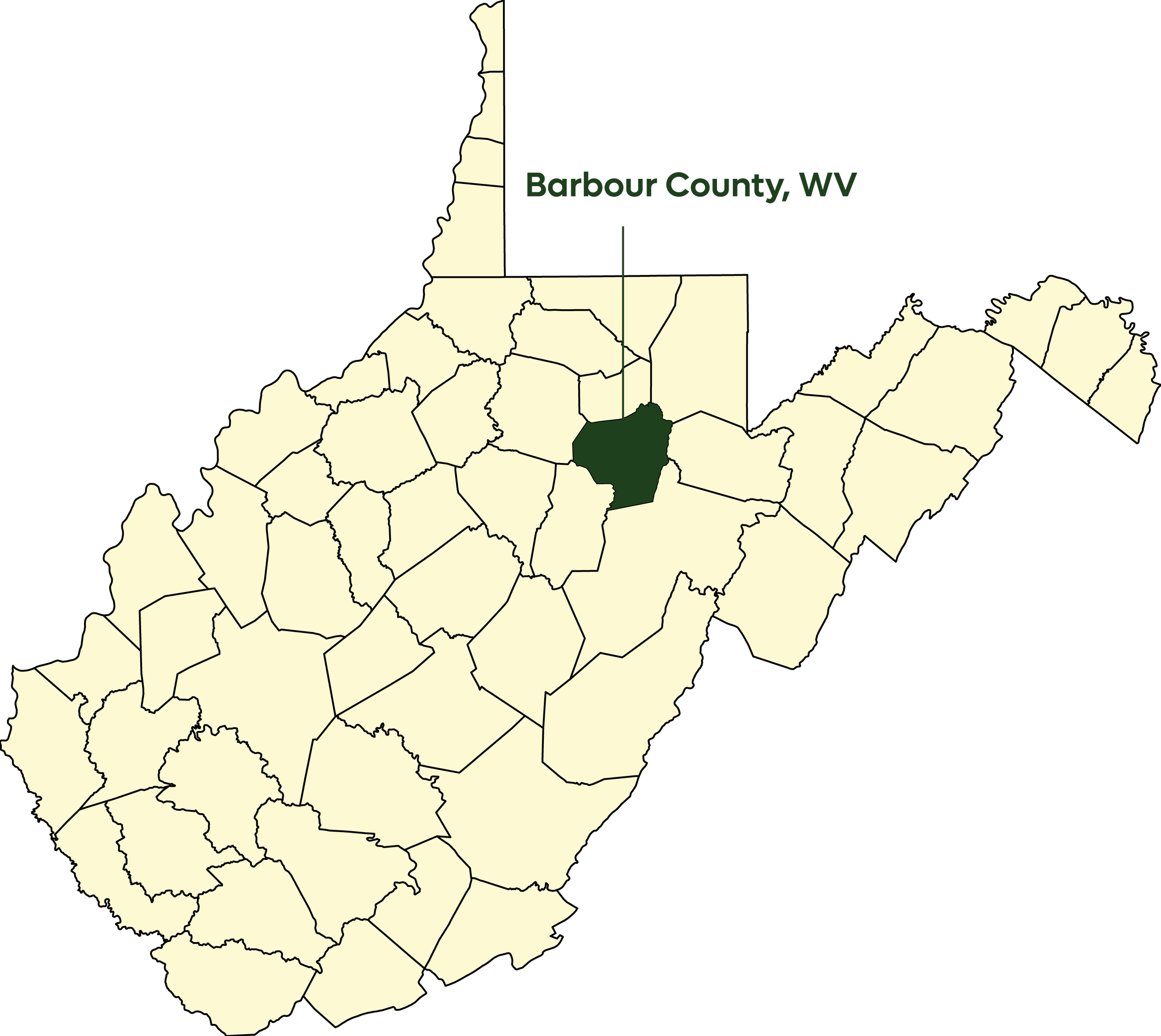
Barbour County, West Virginia
(162 acres)
Bosland Growth is working with a group of neighboring landowners on reforesting approximately 162 acres of former surface mine land on properties their families use for hunting.
The project will increase native forest cover and create a more connected wildlife habitat. As the forest matures, it will provide long-term carbon sequestration and strengthen watershed and ecosystem resilience.
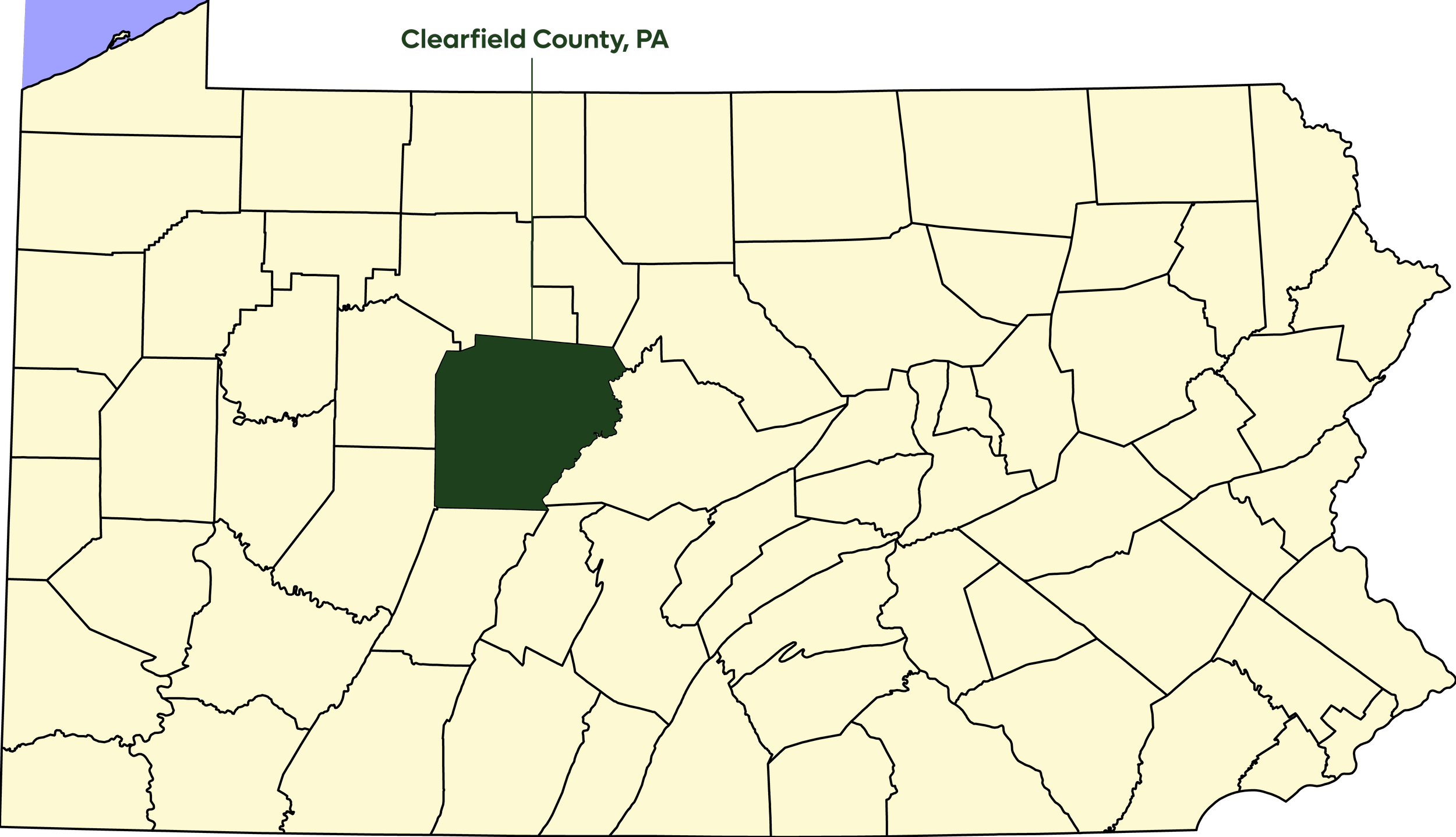
Clearfield County, Pennsylvania
(130 acres)
In the upper West Branch Susquehanna basin, Bosland Growth is working with a private landowner to restore approximately 130 acres of former surface mine land to native forest.
Over time, the restored forest will enhance wildlife habitat, improve water quality in Chest Creek, and sequester significant carbon.
Soil Health & Innovation
Healthy soils are the foundation of successful reforestation. We are investing in science-driven strategies to rebuild soil structure, increase nutrient availability, and accelerate forest recovery on former surface-mined lands. As part of Bosland’s commitment to adaptive management, we are currently pursuing two promising approaches: biochar amendments and microbiome restoration.
Biochar for Soil Quality
Bosland is testing the use of biochar, a carbon-rich material created from plant biomass, to improve soil conditions in challenging restoration environments. When incorporated into mine soils, biochar can:
Increase water retention and reduce drought stress
Improve nutrient cycling and root development
Reduce soil compaction
Provide long-term, stable carbon storage
We have established a biochar test plot at our Lake Pleasant project and are evaluating application rates, costs, and tree-growth response to guide broader adoption across future plantings.
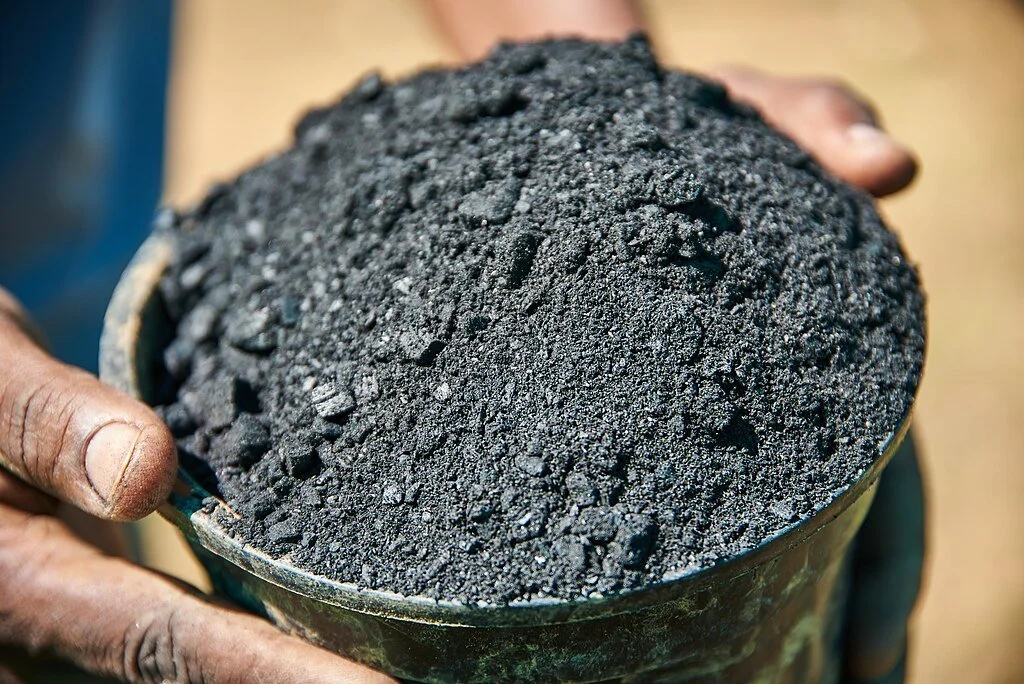
Charged and inoculated biochar, ready for soil application. Image by Tim Brunauer on behalf of Deutsche Gesellschaft für Internationale Zusammenarbeit (GIZ), CC BY-SA 4.0, via Wikimedia Commons
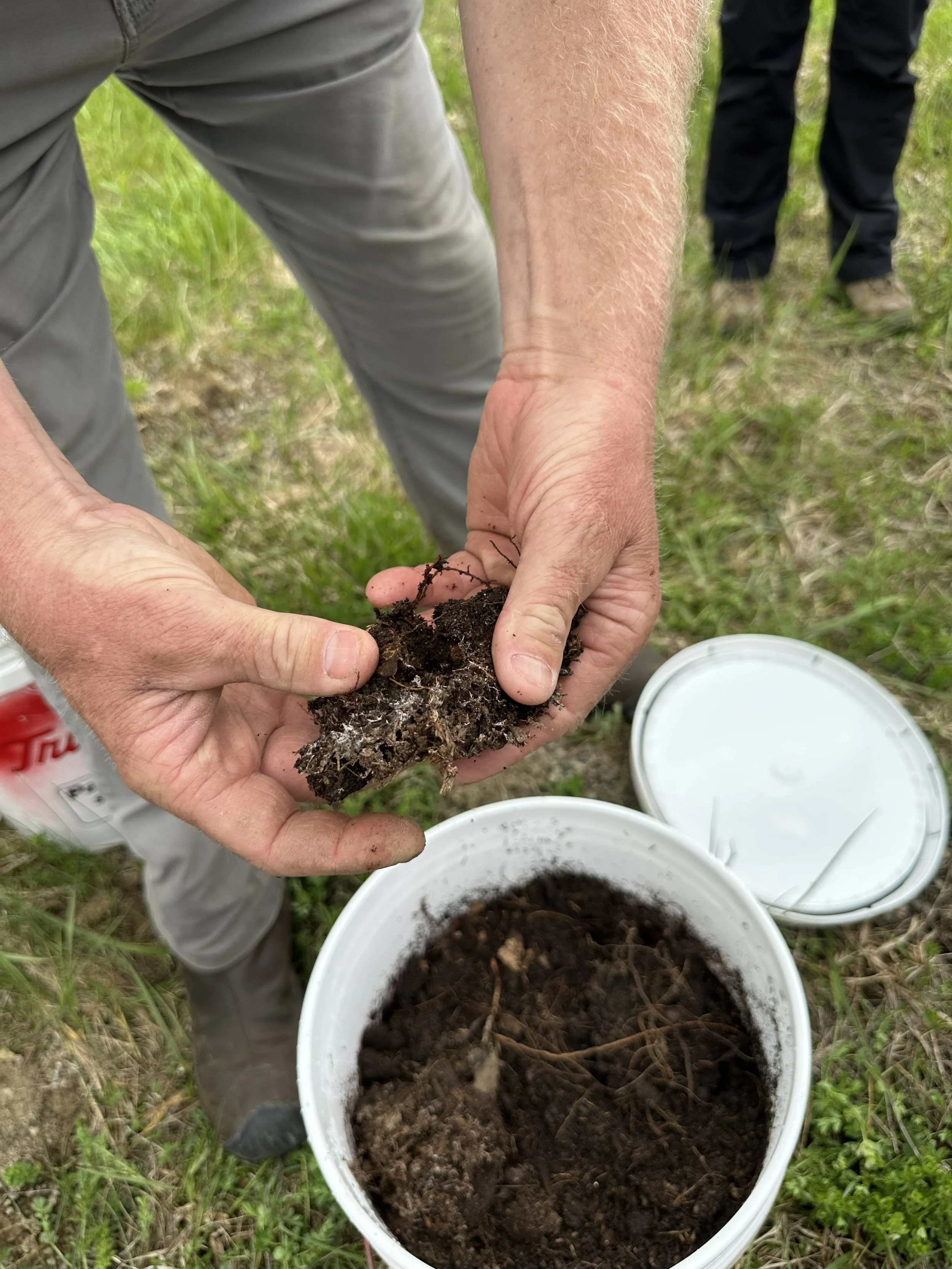
Restoring the Soil Microbiome with Funga
Bosland is partnering with Funga, a leader in restoring native fungal communities, to reintroduce beneficial mycorrhizal fungi to post-mined soils. These fungi form symbiotic relationships with tree roots, enhancing:
Nutrient uptake
Water absorption
Seedling survival
Overall ecosystem resilience
Pilot Funga-supported plots at Lake Pleasant are helping us understand how microbiome restoration can accelerate forest establishment on degraded lands.
As we monitor results from our Lake Pleasant test plots, we will refine and scale the most effective soil-health strategies across our reforestation portfolio - improving tree survival, ecosystem outcomes, and long-term carbon sequestration.